How mosquito patches work
A quick, jargon-free explanation of citronella patches — what's in them, how they repel mosquitoes, and how to get the most out of every sticker.
1. The active ingredient: citronella
Citronella oil is steam-distilled from lemongrass-family plants. It's one of the most studied natural mosquito repellents and has been used for decades in candles, sprays and patches. Mosquitoes find the scent unpleasant, which makes them less likely to land on you.
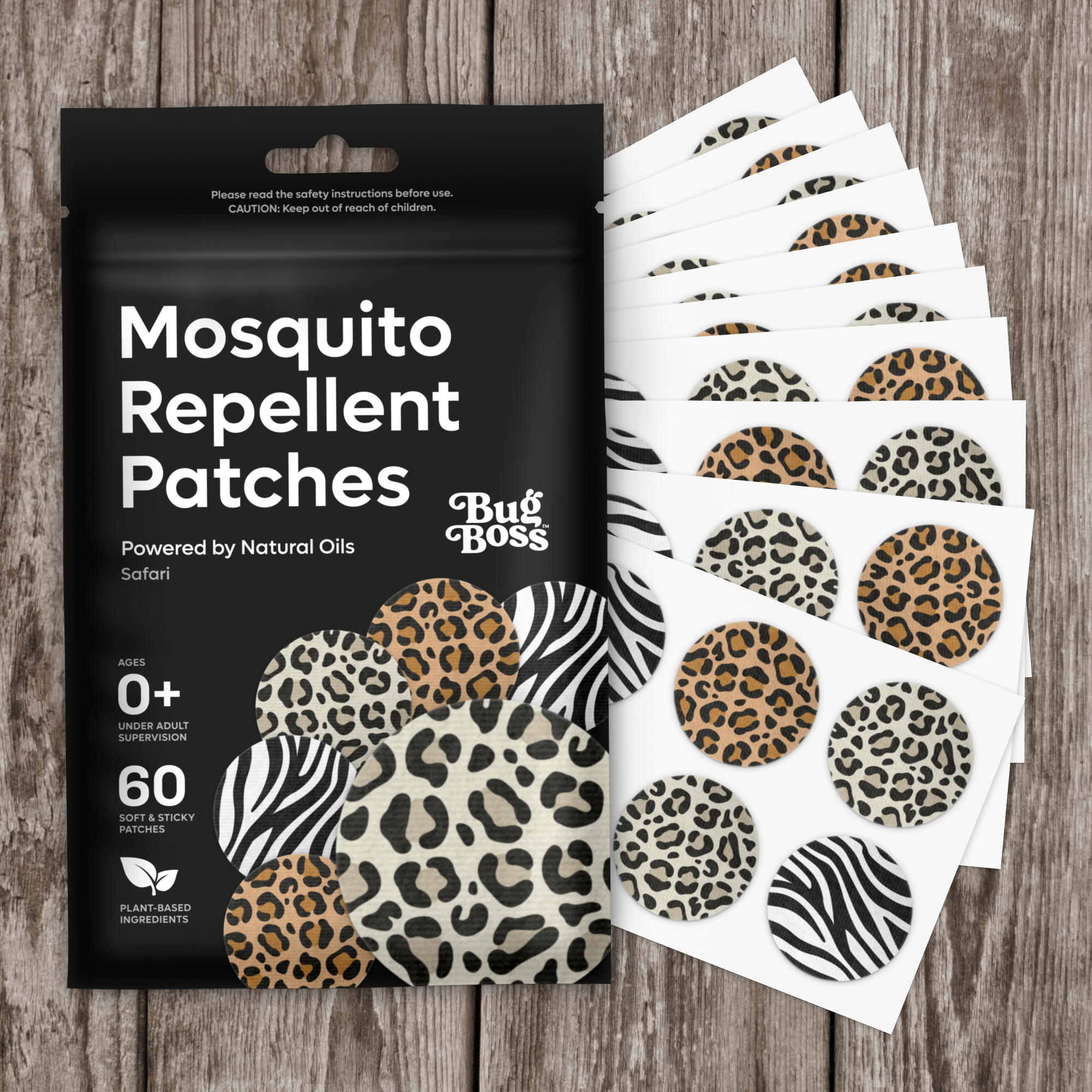
2. How the patch releases scent
The patch holds the citronella in a slow-release matrix. When you peel the backing, the oil starts to evaporate gently into the air around you — creating a "scent shield" of about half a metre.
3. Where to stick it
Stick the patch onto clothing or gear — never directly onto skin. Good spots:
- T-shirt or jumper sleeve
- Trouser leg or shorts
- Hat, cap or bandana
- Pram, buggy hood or car seat fabric
- Backpack strap
- Tent flap (when camping)
4. How many to use
For everyday use, 1–2 patches per person is usually plenty. In high-mosquito environments (jungle, lakeside, dusk in Mediterranean summer), use 2–3 patches around your body for best coverage.
5. How long they last
Each patch typically gives 8–12 hours of protection once opened. Patches in their sealed pouch keep their potency for months, so they're ideal to throw in your travel bag.
6. Are they safe?
DEET-free patches are widely considered family-friendly because the active ingredient stays on fabric, not skin. Always check the label for age guidance and do a small fabric test before sticking on delicate clothes.